We walked the mountains on the cattle farm regularly, checking waters and fence lines for any problems. We also just went for the time out in the bush as every time you go you will experience something new.
We manage the numbers of kudu on the property by taking a few trophy bulls a year, some old cows and any bulls with bad horn quality. This totals up to about 15 animals a year. There is also a herd of Red Hartebeest (Alcelaphus buselaphus) on the property which are increasing in numbers.
We regularly see them but they are very wary and quickly head up the mountains where they have the advantage of being able to see any danger from a long way off. We often try to get in on them but more often than not a kudu (Tragelaphus strepsiceros) or a baboon (Papio ursinus) will give the game away and off they go.
My good friend and owner of the property Will. A retired Scots Guards officer from the UK often headed out early in the morning to see what we can get. We climbed many of the high peaks and it was not uncommon to record 20-30 kilometres in a day. Not always getting what we were looking for but always enjoying the walk and the beautiful scenery of the area. We often sat at the top of the high peaks and scanned with our binoculars to see the good numbers of free ranging game he has passing through his property as there is only a 4ft stock fence for the cattle as a boundary. This often flattened by the Cape mountain zebra (Equus zebra zebra) who travel through to graze and get water.
The Hartebeest are often seen in a specific area and on any given day we often see a nice herd of about 10 animals. Ranging from cows and calves to a couple of bulls. One of which is normally a mature male. On this particular morning we were both carrying our 375 h&h’s. Will’s a nice wooden stock CZ550 and mine a Zastava, which is like an old friend and has been on many an adventure with me. We climbed the usual mountains and put the world to rights as we went along with discussions on future plans for the farm and our hunting diaries for the forthcoming season.
We saw many kudu but this time they were not our intended quarry. Will had kindly offered me the chance to try for a Red hartebeest bull for myself. I say for myself as I have hunted many with clients, but this would be my first if I was to get lucky. We scanned the areas where we often found them and it wasn’t long before saw the herd standing in the broken bush area at the base of one of the many hills. Looking through them we could see that there was a bull by the darker colouration of his coat. Shining in the sunlight as if he had been polished. We started putting a plan together on how we would be able to get from where we were to a shooting position without being compromised.
We had it. Well we thought we did. We would move down from our position and into a dry riverbed. From there we should be able to move undetected to within 200 metres for a shot. Off we went, full of confidence and sure of our ability. Slowly moving up to a spot we had identified from above as where we could shoot from we slowly peered over the bank in high expectation of seeing a herd of undisturbed hartebeest. What we found was completely the opposite. The herd had moved due to a kudu bull who had unknown to us been resting up in the shade of a wild olive tree. He had sensed our presence and moved out alerting the hartebeest of something untoward coming from out direction.
We continued on with our walk deciding to return later in the day to try our luck.
On our return a few hours later we saw the herd again. Will stayed on the high ground and I moved down alone. The sun was dropping quickly so I knew that I had to cover the ground quickly. For some unknown reason the herd was not particularly phased by me. They stood and watched but continued to graze. I moved up the dirt track and eventually got to 250 metres from them. Will, still on the high ground could see this all unfolding. I stopped and quickly looked with my binoculars to ascertain where the bull was in the herd. He was standing at the back which made for a nice shot. I got down and made my rifle ready. He was now looking straight at me. I presume wondering what this thing was doing lying down in the road. I steadied myself and took a deep breath. He turned broadside and I knew this was my chance. Holding the cross hairs on the half way line up his body, knowing the 250g bullet would drop slightly at this distance. I squeezed the trigger. I saw him jump and run. The rest of the herd followed him. He vanished out of site behind a patch of bush.
Will quickly joined me and we walked slowly up to where we had lost sight of him. The herd had stopped. We scanned through them but he was not there. A good sign. I have found in the past that if the herd bull goes down the rest of the herd stop as they think he thinks it is safe. As we walked up they moved on and then we found him. Only about 20yds from where we had lost sight of him. The shot had been perfect and on later investigation had taken the top of his heart out. He was theoretically dead while he was running away.
We organised the recovery team and we skinned him off into the night. The following day a quick trip to the taxidermy and the next step was in the making.
His flat skin is now lying on the floor of my house and the European skull mount on the wall. His steaks have made for fine dining on the BBQ and we have had many a venison stew from other parts. All washed down with a nice glass of red wine.
We have taken a few more since this one and we have found that it doesn’t take long for a new bull to come in and take over. Bringing new genetics into our ever growing heard of hartebeest.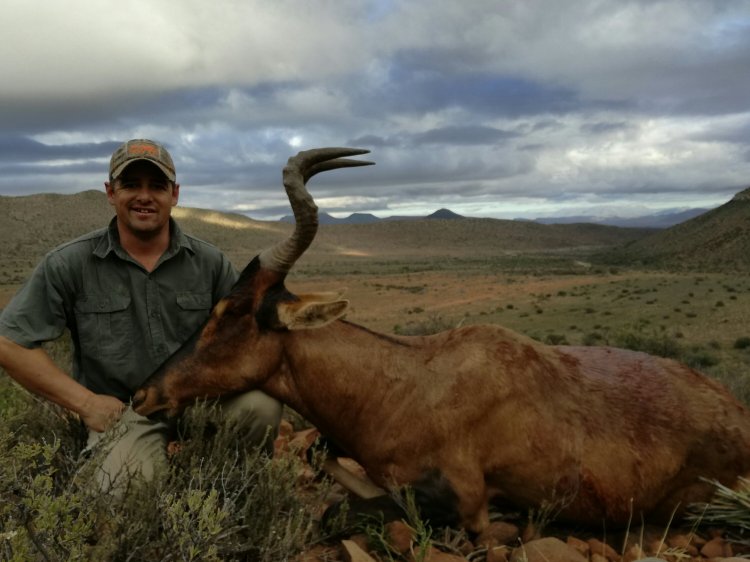
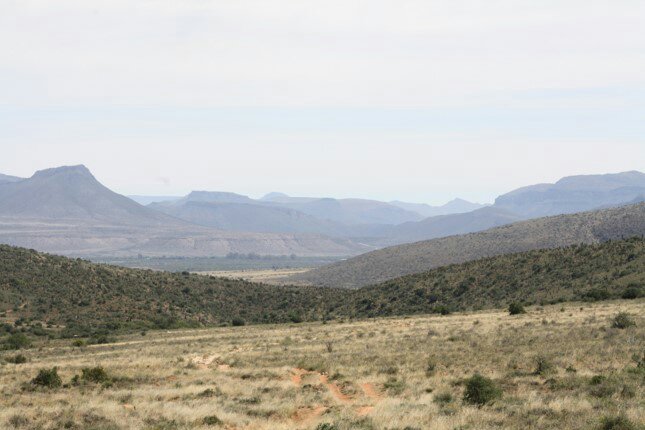
GET AWAY AT GROENVLEI GUESTHOUSE FARM
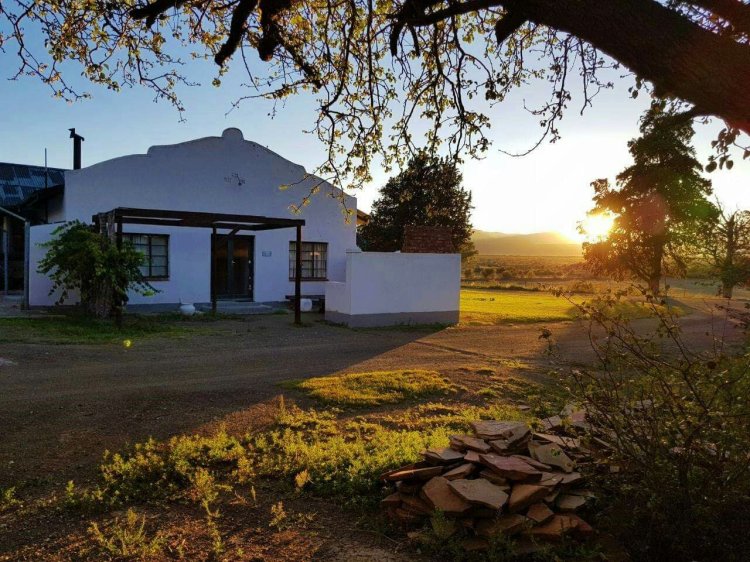
Finally, a weekend off from hunting. Time to sleep in, relax at home and do absolutely nothing. Well boy was I wrong. My family had organised a surprise farm getaway for my birthday for the weekend to a farm located between Graaff Reinet and Richmond in the Eastern Cape, South Africa.Groenvlei Farm Guesthouse is the perfect getaway for those that want to escape the busy city life and find relaxation on a working cattle and sheep farm. The homestead sits at an altitude of 4640ft above sea level, but the surrounding higher peaks is what gives this farm magnificent sceneries. It is an easy drive to get there and is North of the town of Graaff Reinet. This remote paradise was perfect for time away from the rat race and to get back to what really matters.We left the tar road about 25kms out of town, passing through the Camdeboo National Park. The next 30kms would be on a scenic dirt road. Well maintained, so no requirement for an off road vehicle. Driving through this beautiful landscape makes time fly by (vital when you have a twelve-year-old son that talks non-stop) and we soon arrived at the entrance of the farm.
We were warmly welcomed by Johnny and Sula, the farm owners and they took us to our family cottage which comprised of 3 bedrooms (sleeps 6), an open plan dining room lounge, kitchen, bathroom and outdoor entertainment area. The farm can accommodate up to 20 guests in cottages, but also has a camping area on site.
The sun quickly disappeared leaving us with a night sky filled with stars unaffected by light pollution of any kind. We sat outside in awe of the stars. Staring up at the Milky Way, Southern Cross and counting the satellites passing overhead before heading inside to relax in front of the fire in the lounge. We enjoyed family time, playing cards and board games and discussed the following day’s agenda. With around 12000 hectares of openness we had lots to explore.The sun was coming up and the forecast was very positive for a perfect day for being outside. A cup of coffee was surprisingly brought to our room by the children. We could tell they were ready for a day outdoors and the thought of a lie in was over. It was quickly pointed out that they were ready for breakfast and then we should get going on our exploration.
All ready we headed out for the first walk of the day. Passing by the flock of stud merino sheep we walked along the river bed. My daughter armed with her camera, snapping away at the abundant birdlife and stunning views. Seeing a fish eagle looking over the dam watching for their next meal was the highlight of that first morning.
Back to the cottage for a breakfast of eggs and bacon washed down with another coffee. We sat on the veranda while the children showed us how much energy they have by running around on the tennis court before asking “what are we doing next”.
We left them to continue burning some of their energy while looking around the area with the dogs before we headed out again.
Taking the vehicle this time we headed out on one of the 4×4 routes. Driving slowly up the mountain, where low range is sometimes needed we took in the fantastic scenery of this amazing property. High peaks, deep valleys and stunning views around every corner. The Karoo area is still in a drought and I will definitely return when there has been some rain, as I would love to see some of the many mountain streams running in full flow over the numerous waterfalls we saw.An abundance of wildlife was spotted on our drive. Kudu bulls following the females showing the season had changed and the rut had started. The high altitude living Vaal rhebok were plentiful in numbers, seeing herds in most of the valleys. A number of grey wing partridge ran along in front of the vehicle before bursting into flight and dispersing in all directions. This all made the journey up the rough track worthwhile and we all enjoyed it. Reaching the top of one of the mountains we off loaded a cooler box and enjoyed our lunch whilst feeling we were untouchable at the top of the world. Looking out from our vantage point we could see for kilometres without being able to see a sign of other inhabitants. If you want to sit and listen to the sound of silence then this would be a perfect place to hear it.
We slowly continued on with the road and eventually after about three hours we arrived back at the homestead. Kids now exhausted, we lit the fire and watched the sun going down like a ball of fire lighting up the sky in different shades of orange and purple. The evening once again was filled with millions of stars and if you are a star gazer, this is definitely a spot to take in your interest.We woke to two bright-eyed children ready for an exciting adventure ahead and a gorgeous sunrise to kick start the last day of our weekend.
After a short morning walk we jumped into the vehicle for another drive, this time on the flatter section of the farm. Seeing herds of springbuck grazing and kudu disappearing like ghosts into the bush. We did a small circuit before heading back to the cottage to prepare for our trip home.With the kids dragging their heels to pack while mumbling about not wanting to head back to town. We assured them that we would soon return and they would once again have the freedom of the fantastic Groenvlei hospitality.
We started our journey home with the knowledge that we will definitely be heading back to this picturesque part of the Eastern Cape.For more info on the farm, visit their website http://www.groenvlei.co.za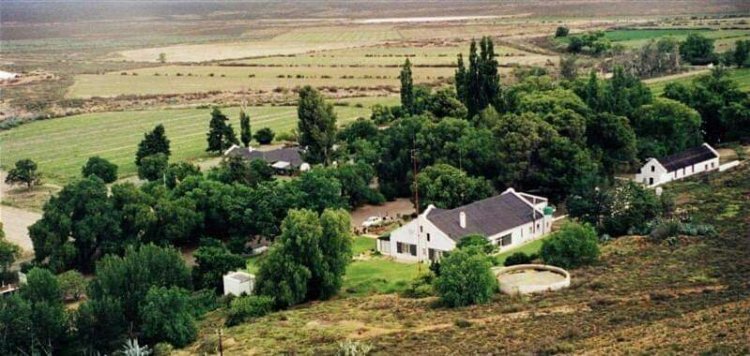
A memorable stalk
He wasn’t on the list but this was going to make for a memorable stalk and a great trophy.
Originally the trophy list comprised of some pretty difficult animals which would mean some high mountain stuff. Unfortunately the client picked up some bug on his trip over and the high altitude stuff was going to have to wait for another adventure.
The change now involved a Burchells zebra. These were known to be quite wild on the concession and would make a hunt of it if we found them at all.
We woke as usual for breakfast with the bright rays of sunshine streaming across the dining room table. My client still weak after his days of not being able to keep any food in and also trying to come to terms with the time zone changes. Considering he came from literally the other side of the world was acceptable.
With our breakfast washed down by coffee we headed out to the hunting vehicle to start the day. Tracker and tracking dog ready in their places waiting in anticipation for the rundown of what would be our chosen quarry for the day. The word zebra was greeted with a look which obviously meant good luck with that one.
Leaving the lodge we headed along the rocky road towards an open plain. Passing springbuck and red lechwe on our way well within shooting range but strangely as it is they seemed to know that they were not on the quarry list. If they had have been I can guarantee that they would have been hot footing it in the opposite direction.
We stopped to glass the area from the safari seats on the back of the vehicle where after a few minutes we saw a herd slowly making their way away from us up a small set of rocky hills. We sat and discussed and then drove to a spot where we would be able to try to stalk in and ambush them. No such luck. When we reached the top of the hill they had disappeared. We sat and glassed again. They had turned and headed back across the plain. Busted.
We gathered are thoughts and moved on to look for others.
At the far side of the concession we climbed a acacia covered hill in search of another herd, but visibility was reduced and you could only see the legs if you kneeled down.
Then my tracker clicked to get my attention. Pointing to the North. Standing in the shade below us on a small hill was another herd about 1 kilometre away. They knew nothing of us so we had the upper hand but it would certainly not be easy.
Leaving Pride the tracker on the high ground with a radio we headed off in the opposite direction so we would have dead ground between us and the zebra. We moved slowly over the rocky terrain and keeping our eyes peeled for any other animals which may give our intentions away with a bark or fleeing up the hillside. So far so good. Nothing had bust us and Pride was telling me every now and then that the zebra were still in the same place as they had been when we first saw them. Turning every now and then to reassure the client that everything was fine and that this hard work on his suffering body was worth it me continued.
Then the radio went off in my ear, “they are moving”. Quickly asking which way and at what speed. The reply came back that the herd had partly split and some had moved to an open area. We continued on our way down and keeping our attention on the direction of the wind and our surroundings. Slowly now, they must be close. Still not being able to see our quarry we sat and I asked Pride, my tracker, where they were. He said they were close but then I realised we had past them. His directions were not fantastic which is understandable as what he could see from his vantage point on the hill was very different to our view down in the bushes.
We slowly edged forward and then my client clicked his fingers. He was quite a bit taller than me which on this occasion was an advantage. In front of us he had spotted a slight movement which turned out to be a zebra’s ear twitching. This only being about 70 yards in front of us but luckily in a dip. We edged to our right, keeping low and trying to get to a position where we had a good view of the herd. We got to a tree only 50 yds from the herd but still we could only see the top half of our quarry. Many of them standing facing away and others covered by the bushes. We waited. Pride sitting with the client’s family on top of the hill waiting in anticipation for the shot and wondering why on earth we were not shooting. Only finding out later the real reason.
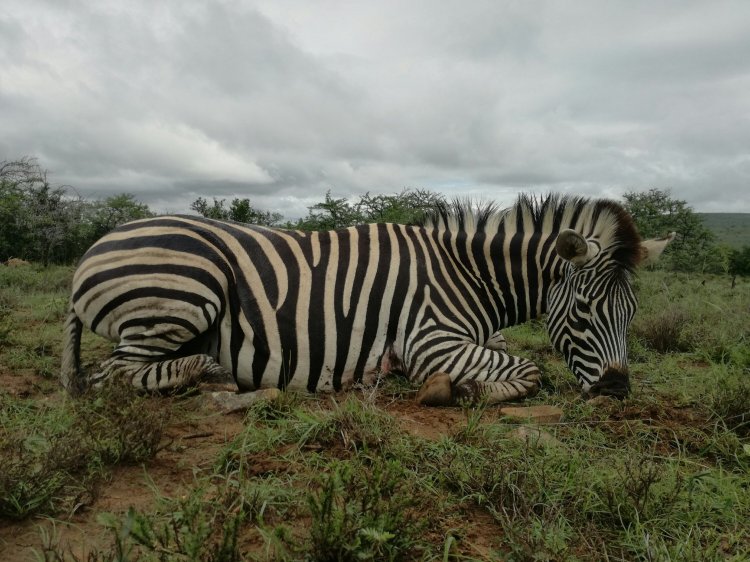
My client waiting patiently on the shooting sticks. Every now and then looking through the scope and shaking his head. A mature animal took a couple of steps forward. I saw the safety catch get pushed forward and the client nodded to me. Slowly taking up the slack on the trigger the 300 win mag went off sending the bullet straight and true. The zebra dropped where he was standing. An eruption of black and white burst out of the bushes with the familiar vocals of the zebra. We moved in slowly to admire the trophy we had just harvested. He was a great old stallion with his wolf teeth worn down from years of fighting.
He will now be heading across the pond to where he will be the rug in the nursery, where I am sure the story of this great stalk will be told to the future hunters of a certain family.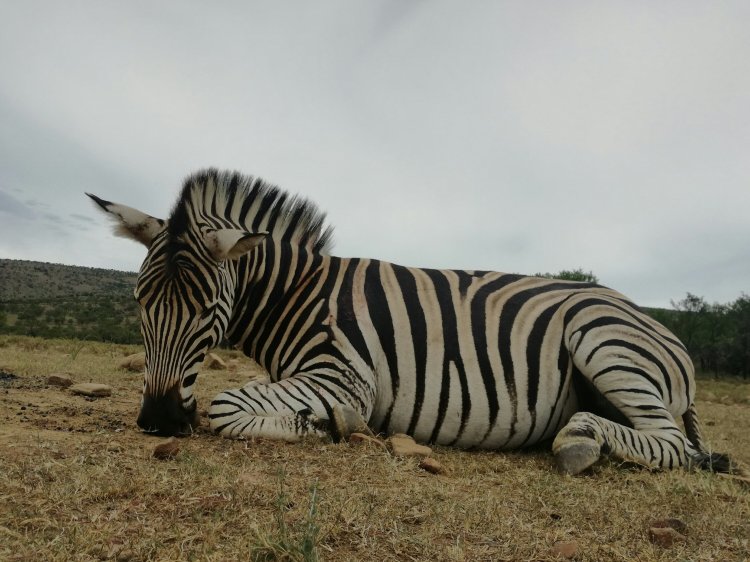
Greywing partridge in Africa
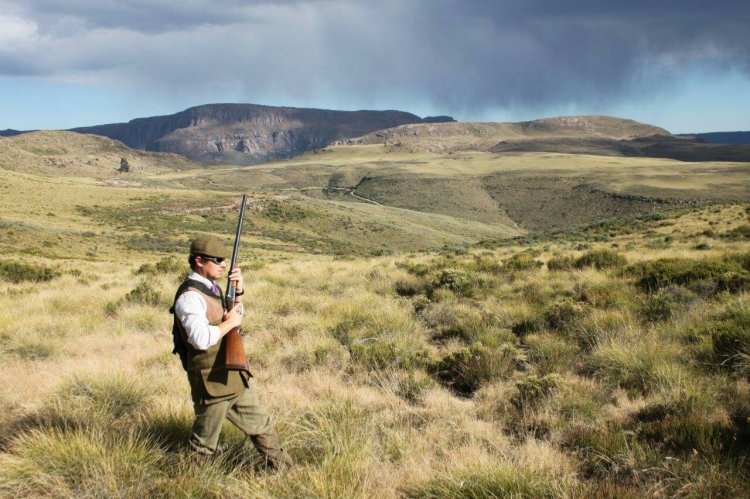
I started my shooting life on birds as do many other hunters. Mainly wood pigeons (Columba palumbus) in the UK over corn fields or catching them coming into roost at dusk.
In my opinion some of the best sport you can have in the hunting field is when you get your decoy pattern correct and the birds just keep coming.
You will be tested with birds coming in from all angles and at various speeds which fine tunes your reactions and develops your shooting abilities for future challenges with a shotgun.Those first days sitting in a hide made of a military camouflage net and 4 poles cut from the surrounding hedges with my father were great days. Not always successful but always worth the trip out, and I still enjoy it when I return to the UK to go and share a day together with him. He introduced me to shooting and taught me so much about the sport.
This then progressed to walked up shooting with a dog for pheasants(Phasianus colchicus), partridge (Alectoris rufa) and any other species in season at the time. This is commonly known as rough shooting which many a shotgun hunter takes part in.
Then one winter’s day I was given my first driven pheasant day. Dressing up in my tweeds (traditional British hunting attire) and armed with my first shotgun which was an AYA no.4 deluxe box lock we headed out for that memorable day.
After this I was invited to shoot red grouse (Lagopus lagopus scotica) on the Welsh hills over dogs. This was a great experience and made even better by watching well trained dogs flush the birds for the line of guns.
These bird shooting days were made even better by the chance of seeing trained dogs do their work. The bag of birds at the end of the day was irrelevant now as the enjoyment game from the whole experience.
I then got an invite by a good friend of mine and owner of Karoo Wing shooting Tim Van Heerden to go after grey wing partridge (Francolins africanus). I hastily accepted his offer and a date was agreed. We would go early season for a couple of reasons. The first was to get his dogs out on the hills again after the off season and the other was to see how the coveys were in certain areas.
The morning came and we loaded up his 4×4 Toyota with our equipment and hitched the trailer for the 6 English pointers we headed to the mountains surrounding the town of Graaff Reinet.
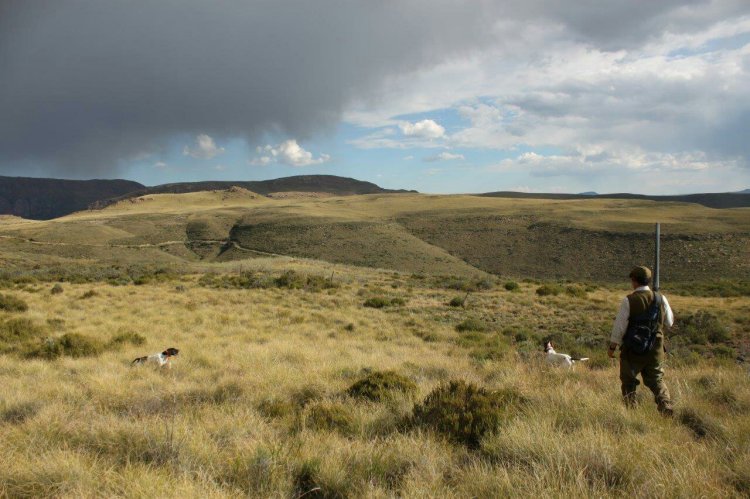
Tim has six English pointers which he uses for the job. All from good working stock they know what their job is and they do it very well. They cover the terrain with ease in search of their quarry coming on point as soon as a familiar scent is picked up by their incredibly sensitive noses. All the dogs were taken to give them all a run and also because there is so much area to cover that they need a rest every now and then.
On arrival at the highest point which seemed like the top of the world, we collared two of the dogs and headed off, leaving the others in the trailer. Watching them move across the hills searching for a scent was an awesome experience and one which if you have not seen is well worth grabbing at if you get the chance. This to me was already a successful outing seeing the dogs do their job.
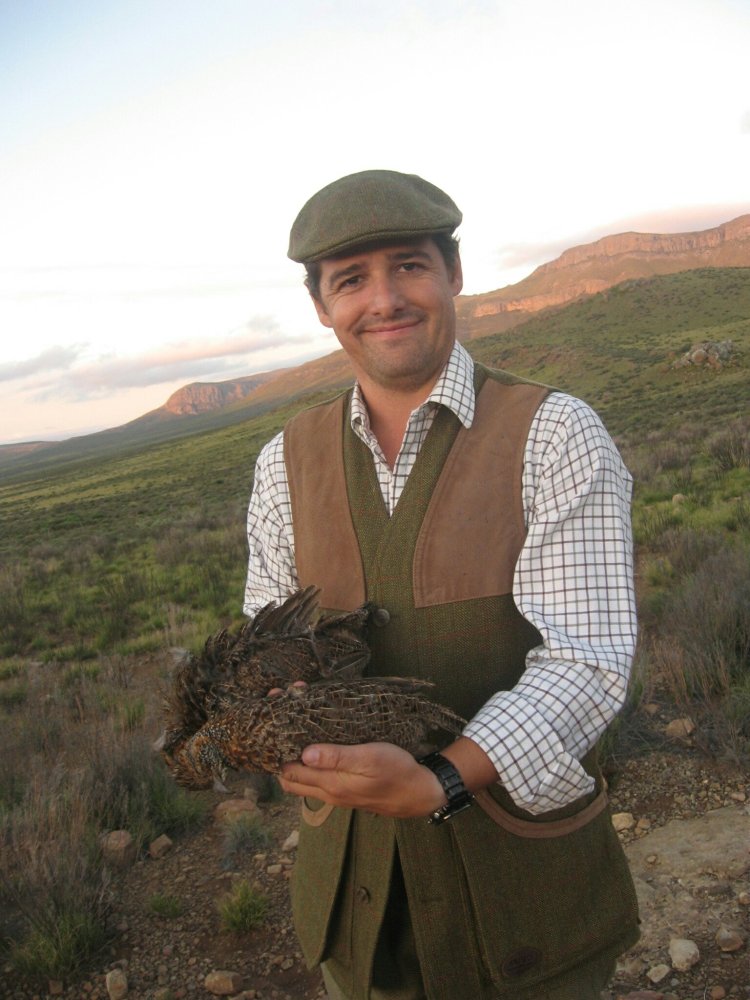
Then the one froze. Her tail held high and her nose pointing to a small clump of bush, standing completely motionless she pointed. The other dog came to a second point also targeting the same position and working as a really well-oiled team. Loading the shotgun Tim and I slowly moved forward. As we got closer Tim gave the command to flush and from the bush erupted a covey of grey wing. Birds flying in all directions. I raised the gun, selecting one I fired. One of the big mistakes when shooting like this is that the gun gets confused about which bird to go for giving the birds a chance to get away. Pick one and stick with it. If it falls to the shot select another, if not remain on the original target for your second barrel. Missing with the first barrel I quickly continued with the follow through and dropped a bird with the second shot. My first grey wing. The dogs moved forward and retrieved the bird and returned it to Tim. We admired the bird and scenery while chatting about the size of the covey and comparing the similarities to grouse shooting in the UK.
Tim then put the mature cock bird in his bag and sealed it as the dog’s sense of smell is so good that they will pick up on its scent if not careful. We moved on and flushed a number of other coveys during the day which ranged in sizes of 6-15 birds. Tim seemed happy with the numbers on the ground which stood to make for a good season. I shot 3 birds that day which I will always remember but what made the experience stand out was the quality of the dog work and the location which we were so lucky to be exposed to as countrymen. I have been out a couple of times since them and I am sure I will be up on the hills before the end of this season. A couple of the dogs may have changed now due to retirement, so it will be nice to see how the new blood compares.
BLACK WILDEBEEST FLIGHT TO FIGHT
 I have been a professional hunter now for a number of years and there are certain things you learn over time. Some of these are never take your clients word for it that they are a good shot, if an animal drops it does not mean it is dead, and another is that when an animal is wounded it may well stand its ground and wait for you.
The phrase flight or fight is often used. Flight being the animal runs away from the danger and fight being that the animal has no escape route therefore its only option is to face you.This is often written about dangerous game, such as Cape buffalo, who often wait in ambush for their pursuer resulting in an interesting situation, which does not always end well for the hunter.The thing is that it is not only the classified dangerous game that do it. Most game can be dangerous in its own way. Imagine a small steenbok (raphicerus campestris) sticking a five inch horn into you as you go to pick it up. There is also another animal which has often been known to cause problems and on a number of occasions kill people. This animal is the black wildebeest (connochaetes gnu)The black wildebeest weigh in at around 160kg with forward drooping horns. Both bulls and cows carry horns, but the bulls are normally thicker and with larger bosses (part of the horns that are hard on the skull). The black wildebeest looks a lot bigger than it actually is, as it carries most of its weight in the front half of its body.
The bulls have a have bristles over their noses and long hair running down between the forelegs. Darker normally in colour than the cows and larger in size. Both have a white tail, which is very handy if an animal is wounded because when the animal swishes its tail on its body the blood often colours the tail. Helping to identify it within the herd when bolt.I have hunted many of these animals, both for myself and for clients.
This particular occasion I was hunting with a German client. His first time in Africa and he had taken a management package (non-trophy animals) to start things off. This consisted of some springbuck, impala, blesbuck, blue wildebeest and of course a black wildebeest.As per normal the first thing to do was to go to the range and get the client to get comfortable with the rifle and then hit an eight inch gong and 200 meters. If they hit this gong you know that they should be able to put in a fatal shot on all the species on their list. All went well and the client hit the gong without any issues. He was using one of our rifles, which was a 270win that is more than adequate for his quarry.There were two clients both doing the same package so we loaded our gear up into the hunting vehicle and headed out together. My hunting partner and good friend Flippy would take the one client and I would take the other. The area we were going to be hunting in had good numbers of black wildebeest and blesbuck in so we knew there was a good chance the first day would be a prosperous one.We arrived in the area and straight away saw a herd of black wildebeest on the side of the mountain.
Myself and my client got out and got our things together. Loading the rifle magazine full and then putting another five rounds in my bullet pouch we started a stalk up a dry river bed towards the herd.
The wildebeest watched the vehicle move away, completely unaware of us moving through the river bed.
We made good distance and soon we were getting close. I slowly lifted myself up to look over the top of the river bank to locate where they were. About 150 meters away they stood in their herd milling around and swishing their white tails like only these clowns of the Karoo can do. We had to move a little further up so that we would be able to get behind some bushes and ready ourselves on the sticks. We managed to do it undetected and I prepared the client. We were looking for a young bull, which would make for great eating.
I watched the herd for a couple of minutes through my binoculars and identified a shootable target. Explaining to the client he repositioned himself and fired.
A definite hit, but to far back. The herd started to run around and I managed to keep an eye on the wounded one.
He gave another opportunity and the gun went off again. This time hitting it in the front leg. Then another shot, missed, and another, missed. The magazine was now empty.I gave another four rounds and told the client to calm down. We were going to get his animal. Steadying on the sticks once again he fired, again to far back. At this point I suggested that I maybe should take over, but he was adamant that he would sort out this problem.We had to move now as the wounded animal had gone behind some bushes. Then we saw him walking, easily identifiable by the red tail. We got the sticks up and another shot flew over the top of him.
I then pointed out that between us now we only had three rounds left. He fired another two shots and was not successful with either. We were down to our last bullet.I then saw the bull back himself into a bush. Not having the energy to run away he was now in fight mode. I pointed this out to the client who asked me to explain the meaning of this.
I explained the meaning of this and the consequences that could occur and he promptly handed the empty rifle over to me and said “you may carry on”.I took the last bullet and chambered it, turning the scope magnification down to its lowest I walked forward. Knowing the bush where he was I anticipated him coming out at any moment. Then when I was about fifteen meters away from it he came straight towards me. I raised the rifle and as I fired he turned slightly and the bullet struck him in the neck killing him instantly. I stood for a moment with my empty rifle and feeling incredibly grateful that the shot had hit its mark.The client then appeared and tapped me on the back and said: we make a good team ya”. I agreed with him not wanting to share my true feelings so early on in the hunt. The rest of the hunt went well and I put this incident down to first time nerves for the client.
He shot the rest of his package with one shot kills, which is what we all try for but that doesn’t always work out.
Wily old fox
Many years ago, when I lived in the UK, I was part of a small pheasant shoot. It was a small syndicate where we all chipped in and did our bit to have about eight days driven pheasant shooting in the winter. We would buy in pheasant pullets (young birds) and rear them up during the off season ready for our Saturdays of shooting in the season. Bags ranged from 20-50 birds depending on a few circumstances.
These circumstances ranged from weather to bad shooting and also if the birds had not been disturbed during the night or early morning. They would roost at night in the small woods around the shoot but one thing that could really mess them around was a fox. Hunting with hounds had not long been banned so fox control during the year was up to those members of the shoot who had rifles.
Most Friday nights in the off season were spent lying looking over recently mowed hay fields or combined wheat. The foxes loved to pay these fields a visit as many a rodent and rabbit was caught up in the mower or combine and left behind making easy pickings for any who visited. We were often rewarded with a visitor or two, which made the evenings being eaten alive by mosquitos worthwhile.
The other method was to go out with a lamp and see if you could find them in the dark. Their eyes would glow in the light and through the scope they were easy to identify. One of the guys had an old short wheel base Landover with a rail around, which we used as our chariot of fire. The team usually consisted of four of us. It sounds a lot but we all had a part to play. Obviously one was the driver, steady on the breaks and throttle. Another was the shooter, this changed from week to week to let everyone show their marksmanship skills. The third was the lamper, he would shine over the countryside with a spotlight looking in anticipation for eyes. The fourth and very useful person was the gate opener. Many of you may not know but there are lots of gates on a UK farm so even though not the most exiting job, it was very important.
Once a set of eyes had been spotted a flick of the light across the front of the vehicle would indicate for the vehicle to be stopped and turned off. Then the rifleman would identify and shoot if safe. Most foxes would give an opportunity and many would react to a squeak or a call. There were always a few who knew what was going on due to previous close calls or being with another who hadn’t been so lucky.
One such fox was very wary of the spot and the call. It would never come out of the wooded area, never giving anyone of us a chance of a shot. We saw it on many occasions but not once did we have a shot. Many a Saturday morning the team of beaters would go through a wood while the guns waited in anticipation at the other end only to find out the fox had been there before and the wood was empty bar a couple of birds.
We had to do something to get this blasted fox, as everything we had tried had failed.
One evening I sat and thought about it. I realised that we were never going to get it if we just carried on doing what we were doing. A change of tactics was needed. I decided that the following morning I would go out before sunrise and wait to see if I could catch it at first light heading to where it laid up for the day.
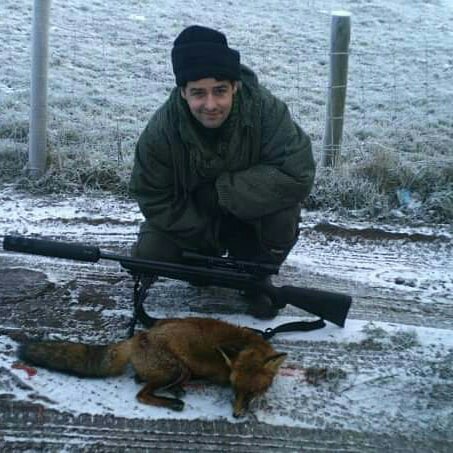
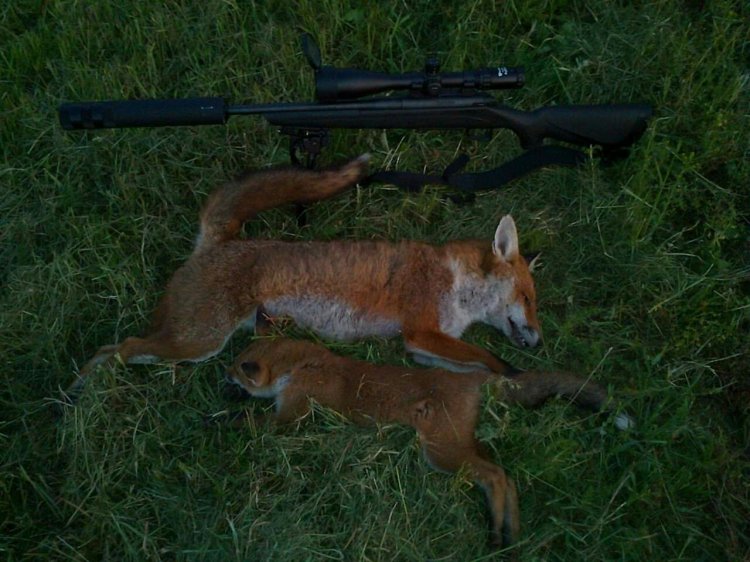
I was up and out of the house at 04:00. The sun doesn’t rise early in winter in the UK. That morning the winter had truly arrived and overnight we had had a few inches of snow and the temperature had dropped to -10 degrees centigrade (14 farenheit). I made my way in the darkness to a tree stand where I planned to execute my ambush from. I climbed the ladder and sat. The warmth of anticipation soon moved on as the chill slowly made its way in. The rays of sunshine started to come through and the snow covered ground began to sparkle. Nothing, not a sign of this wily creature. Surely it must be hungry on such a morning when so much energy had to be burnt just to keep warm. At around 09:00 I decided I had been beaten. Climbing down out of the tree I started making my way back to the warmth of the house. Half way back and nearing one of our pheasant release pens, I stopped. Hearing pheasant alarm calls, a couple flew out off the top of a small thicket at the top of a hill. Then there it was, walking slowly out into the sun. I quickly lay down and got the bipod extended. Suddenly it stopped, sat and started to look around while warming itself in the morning sun. Here was my chance. I pushed the safety catch of my .243win off and steadied myself, not wanting to blow the chance. Putting the cross hairs on its chest I slowly squeezed off the shot. It was a hit and my quarry went down. I sat up and watched as this red tyrant lay there in the white snow. I walked up to collect it and see the face of the creature who had alluded us for so long. It was an old female well past her best with a glorious red thick coat.
A couple of phone calls were quickly made to the others in the team who were incredibly happy we had prevailed and accomplished our goal. The season continued without further hiccups and the wood where I shot the old fox was a good one for the season. We had many more difficult foxes to deal with, which were also put to rest the same way as the wily old female but she was the one who taught us to change and think out of the box.
Hunting in the mountains
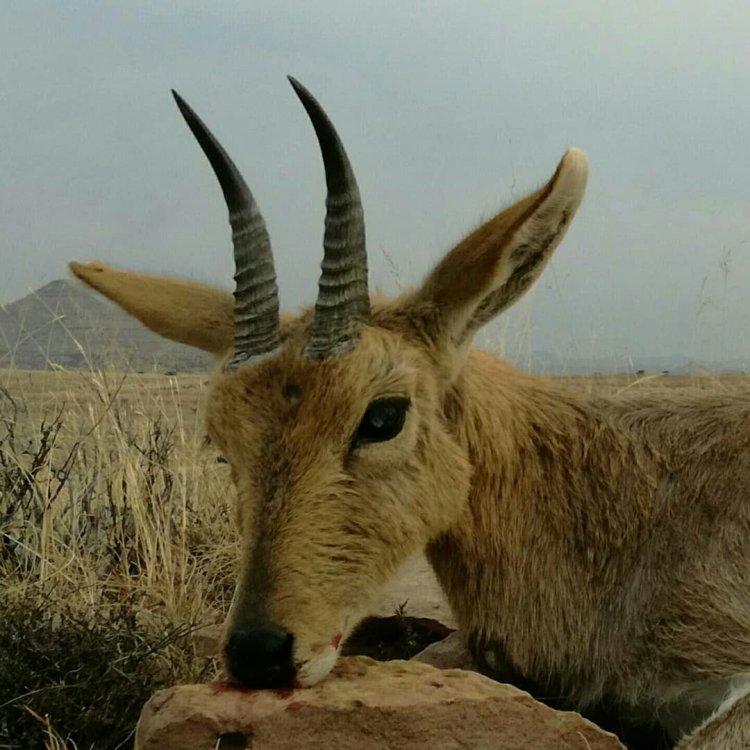
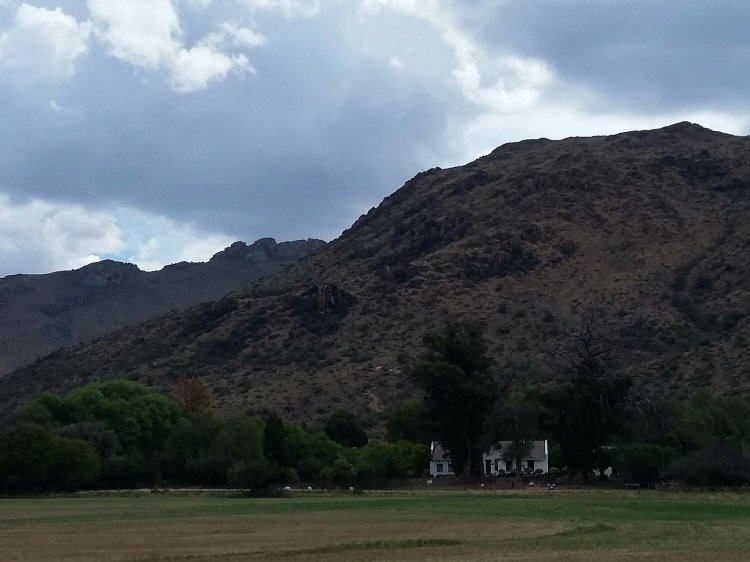
If you really want to work and sweat for an animal, the Mountain Reedbuck (Redunca fulvorufula) is definitely one that can tick all the boxes.
Yes you can find them at the base of hills and small outcrops but you can also climb high up into the mountains for the real experience. They are a medium sized antelope and mainly grey in colour with white underbelly. The rams are bigger with a redder coloured head and neck. Their horns, which are only carried by the male, curve slightly forward and a nice ram will be over six inches in length.
The day started with putting a few pieces of biltong (air dried salted meat) into my daypack along with a couple of litres of water. I was not wanting to carry to much, as I knew the climb was going to be a long one. Flippy, a great friend, hunting companion and owner of Loock Safaris drove me to the base of the mountain range and said “There you go, they’ll be up there somewhere”, Pointing to the top of the mountain. From that point on I was on my own.
I had been offered a member of staff to accompany me but declined as I wanted to experience the mountains on my own after being at work all week. Armed with the .223 I started the climb, stopping frequently to glass the sides of the mountains around me and taking in the magnificent views..
At about midday I saw a lone ewe above me, walking down towards a small spring to drink. I watched her for a bit just to confirm that she was alone, which she was. I changed my direction as not to disturb her and to avoid her warning any others close by to my presence. The sun was hot even though we were in winter and soon I was putting my fleece into my backpack and having a sip of water. Luckily there was a slight breeze blowing into my face which gave some relief.
Upwards I continued and in certain places had to physically climb up the rock face. Then I reached a position which looked over a crater, close to the top. It was about 300 meters wide with small little clusters of bushes and boulders spread around its surface. I decided to take a break and glass the area to see what was around. Nothing.
Just as I started to relax, I saw a white flash. It was the under belly of a reedbuck. Then another and another. I started to scan the area with my binoculars and soon saw that there were at least 10. Some lying down and others starting to feed. This was this going to be my chance? I searched each animal for horns but nothing, they were all ewes.
Despondently I thought to myself “Surely there must be a ram somewhere amongst all these ewes.”
I continued to glass the area when suddenly, about 50 meters higher up the mountain above them, I saw one lone reedbuck. Through the bino’s I could see it had a thicker, redder neck which indicated a ram. He turned his head and I saw his horns, tips clearly longer than the ears indicating a good ram. He was about 200 meters away and lying down, so I knew he was in range but needed him to stand. I positioned myself over a large boulder which gave a perfect dead rest and waited. After only a few minutes, which seemed like hours, he stood up, just as the ewes started moving down towards the fountain. Here was my chance. I got him in my scope and aimed for the shoulder. Squeezing the trigger I let the bullet go and watched the impact through the scope. He dropped on the spot. The ewes stopped and looked up at where he was but didn’t run away. They had no idea where the shot came from and only moved away when stood up a few minutes later when they saw me. With their warning whistles they were off and away.
I gathered my things and started the climb up to where my ram lay. Upon reaching him I looked him over and admired the trophy which I had just taken.
The work was about to get heavier as I realised I still had to pack it out the mountain. I gutted him on the spot to make him lighter. I put him over my shoulders and started my journey down the mountain. On the way down, I could hear the high pitched warning whistles of other reedbuck watching me leave.
Eventually reaching the bottom, I was greeted by Flippy who asked how many I got. I quite happily replied, “ Just the one, as it was hard enough carrying one buck out”
We headed back to the farm and put him in the coldroom for the night. The following morning I worked the meat, which in my opinion is some of the best venison you can get.
I took the tenderloins, when I got home and drizzled honey over them in a dish. Sprinkled some salt, black pepper and coriander over them and left them to rest until the following day. They were then put on the braai (South African term for wood BBQ). Once ready they were taken off and sliced thinly for everyone to try.
Many a reedbuck has fallen now and been cooked the same way but I don’t think any have tasted as good as that first one did.
The ghost I thought had got away.
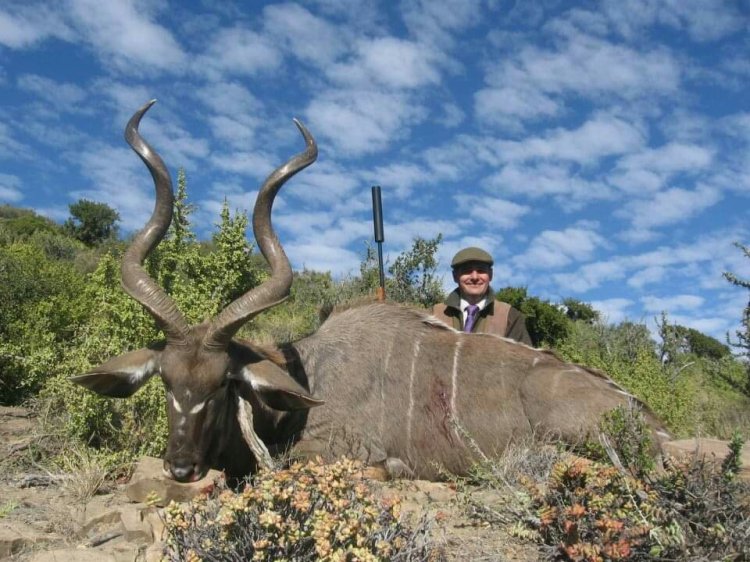
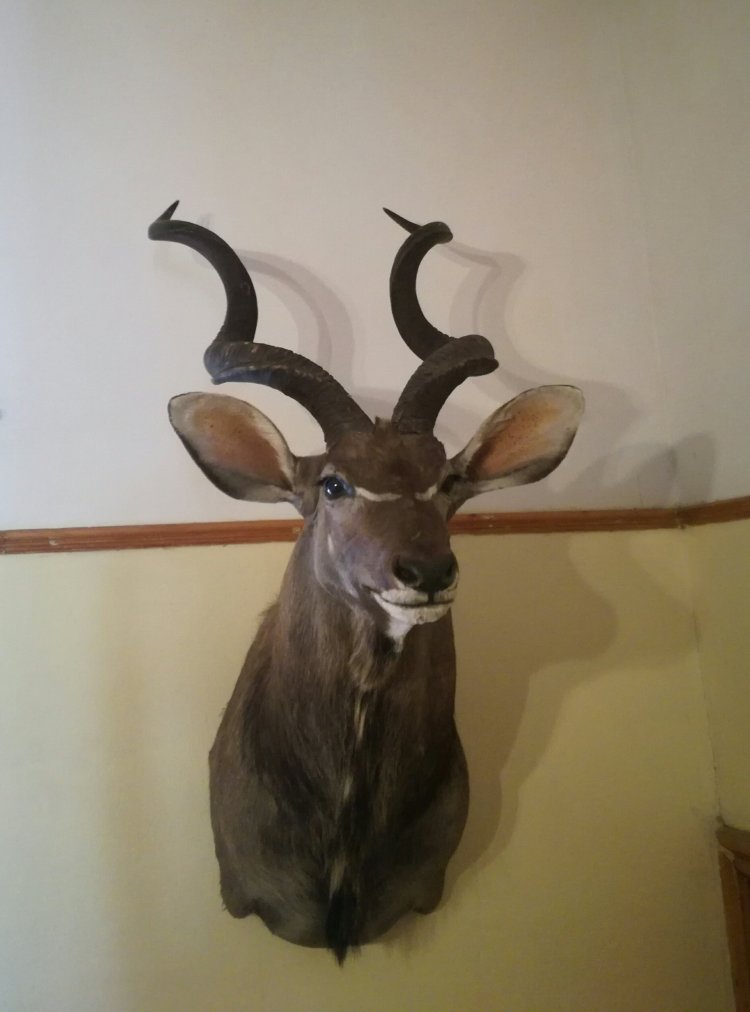
I had not long returned to South Africa from the UK when I got an invitation to hunt my first Eastern Cape kudu bull in a small town called Graaff Reinet.
It was in a brisk winters morning and there was still frost on the ground, unusual in this part of South Africa at this time of year. Regularly getting down below freezing at night and warming up as the day goes on. After hunting in the UK for many years I decided that it would be fitting to wear traditional British hunting attire. This being tweed breaks (plus 2’s) check shirt and tie. On arrival to the farm where we were to hunt was a few raised eyebrows from the staff on seeing these strange clothes in the hunting field.
After a cup of coffee we headed out towards the mountainous area of the property, an area of thick spekboom and acacia. Chris, the farmer, and I scanned the hillsides with our binoculars but only saw cows. We slowly moved to the edge of an open plain, which had an erosion channel running down the middle. We sat and waited. After a short time we heard monkeys chattering from a small thicket, which often signals the presence of a predator. We waited quietly, continuously scanning the area for any movement. Out walked a black backed jackal, a sheep farmer’s biggest enemy in the area. Chris quickly made his rifle ready on his sticks and waited for the right moment. It came and the jackal fell.
We moved back towards the edge of the mountain looking up at the steep bush covered slopes. Then out of nowhere a kudu bull walked out. He moved slowly along, each step full of grace and power. He stopped to browse on a bush. We moved quietly from bush to bush to close the distance. Due to the thick bush cover and intense incline of the mountain we could only get to about 220 meters.
The bull went behind a Spekboom (Portulacaria afra). We sat down and I got ready on the sticks. We waited and waited but nothing. We couldn’t see him but we were both sure he hadn’t left. We waited some more, probably an hour had passed and Chris said suggested we should move on and look for something else as it looked like this guy was down for the day or had slipped out without us knowing. As I lifted the bolt to make my rifle safe a movement caught both Chris’s and my attention.
The bull was on his feet. I quickly made ready and got back down on the sticks. I couldn’t see any vitals, just the top half of his spiral horns above the bushes. Then he turned and started walking up and away from us. The thought that we had sat there for nothing started to come to my mind.
Chris whistled loudly but had no reaction on the bull, he then shouted to try to get him to stop but this also seemed to have no effect. As he went over the skyline, my emotions sank thinking it was over. I turned to Chris and was about to say ‘guess he’s there for another day’ when he reappeared. About 30 meters higher up and looking down to see what had made the noise.
I quickly chambered a round into the 30-06 and put the crosshairs on his shoulder. The sound rang out and the thud of the impact could easily be heard. He jumped and ran vanishing again into the bush. We made our way up through the thick bush to where we had last seen him in the hope of finding a blood trail. There it was and on following it for only about 20 meters, there lay my first Eastern Cape kudu bull.
I sat with him and admired his beauty. From the white markings on his face to the magnificent spiral horns and thought how fortunate I was to be able to have such an experience. After a call on the radio a team of staff arrived to help get him off the hill and back to the cold room. The skinning process then started as I had suggested that a shoulder mount would be great to have on my wall to remember this great day.
Five months later the call came to say the mount was ready for collection. He now hangs in my trophy room looking over me as a reminder of that great day.
If you ever get the chance to hunt in the Eastern Cape of South Africa make sure you try for the magnificent grey ghost. It will be a hunting experience that will remain with you for ever and you will never tire of returning and trying for another.
What to expect
I was brought up in Europe where my father was an army officer and my mother ran the house. We moved between the United Kingdom, Germany and Belgium.
I was sent to boarding school at the age of ten and during every moment of spare time I had, I spent outdoors. Either hunting, fishing or just exploring.
At nineteen I left Europe and headed to Africa which had always attracted me with its game and wild spaces. To start with I travelled through southern Africa from Cape town to Victoria falls and many of the exciting places between. The bush had always interested me and in the end I travelled to a small town in the Lowveld called Hoedspruit. Here I qualified as a game ranger and got to live under the African skies in the wild.
In this time I was exposed to the sounds ,smells, sights and tastes of this wonderful place. Hunting was and always has been a great part of my life and everytime an opportunity arose to hunt I would grab at it. From hunting impala for the camp to eventually hunting with overseas clients which I now do as a professional hunter.
In this blog I will tell of my hunts during these years from bird shooting in the UK to hunting game in Africa. I will share my experiences and give ideas of what to expect from an African safari. What to bring and why the experience should never be let to slip through a true sportsman or womans fingertips.
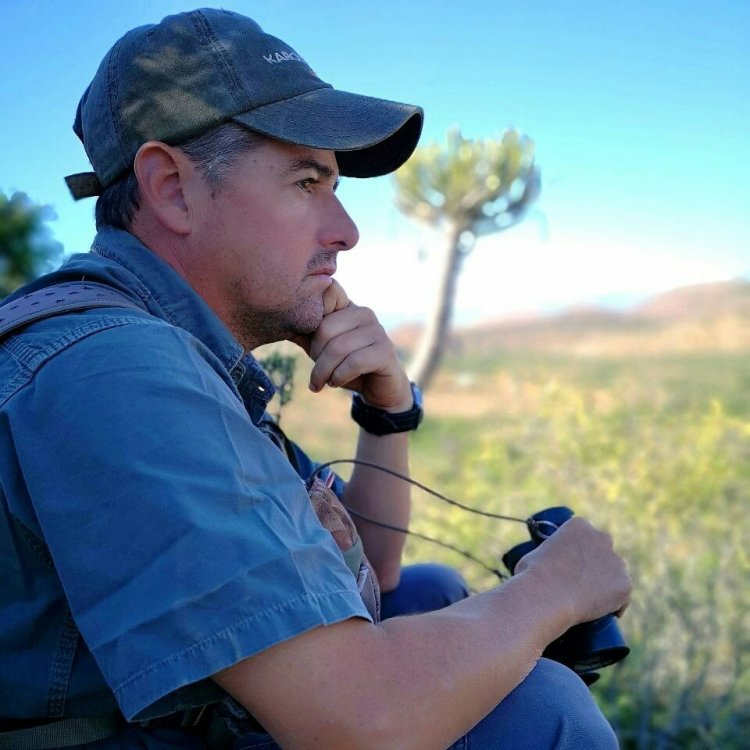
The Journey Begins
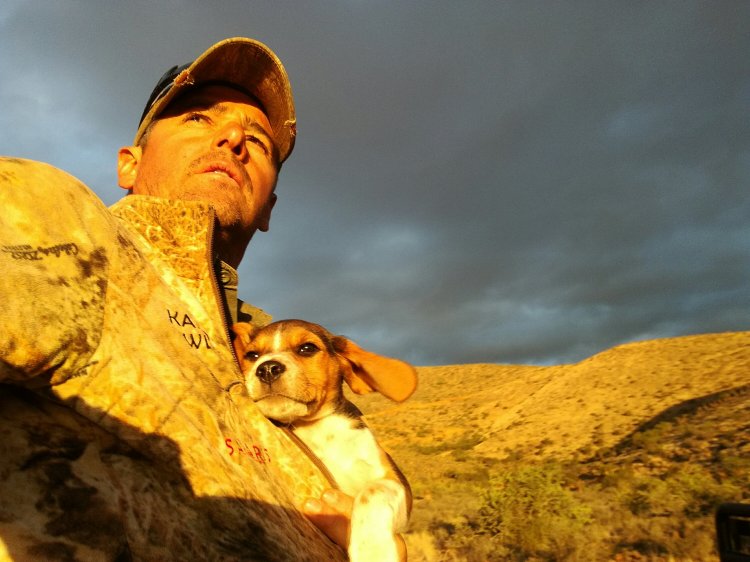
Thanks for joining me!
Hunting and the outdoors has been a big part in defining my life. It has taught me life lessons and has taken me on journeys from Europe to Africa.
Many of my posts will share some of the adventures I have experienced on these two continents.
Let the journey begin…
 Hunting and Outdoor Adventures